
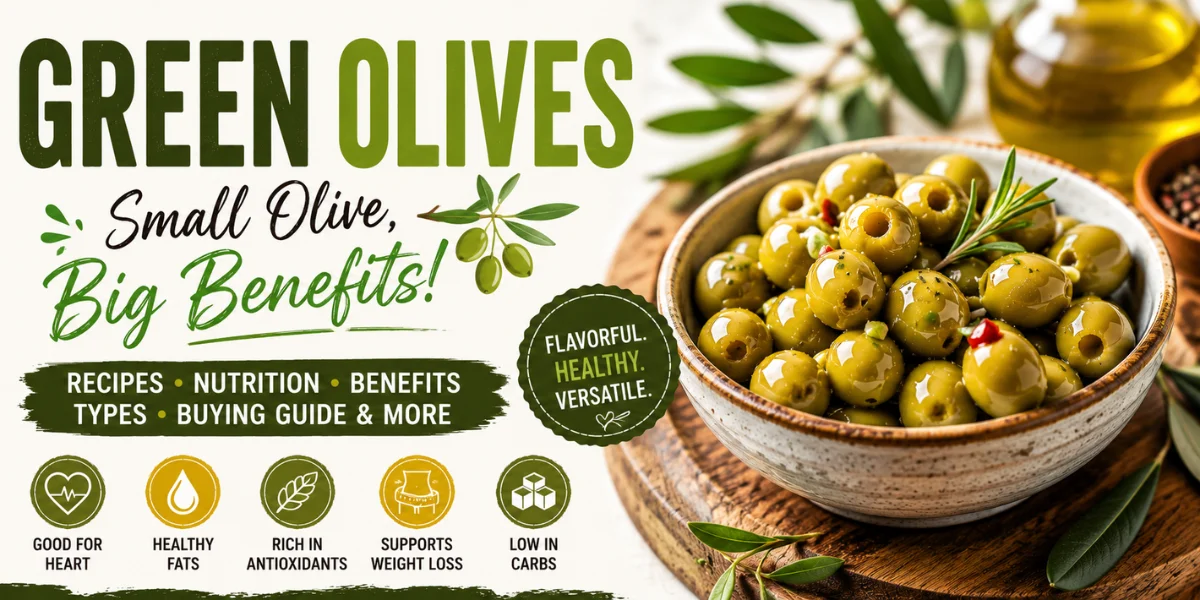
Everything You Need to Know About Green Olives
Green olives add a bold, salty flavour to salads, pizza, pasta, appetizers, spreads, and many Mediterranean-style meals. They are sold whole, pitted, sliced, stuffed, marinated, or packed in brine, giving home cooks many ways to use them.
Green Olives Blog helps you understand what olives are, how they taste, how they are prepared, and how to include them in everyday food. You can also explore detailed guides about green olive nutrition, possible health benefits, popular varieties, recipes, food pairings, storage, and shelf life.
What Are Green Olives?
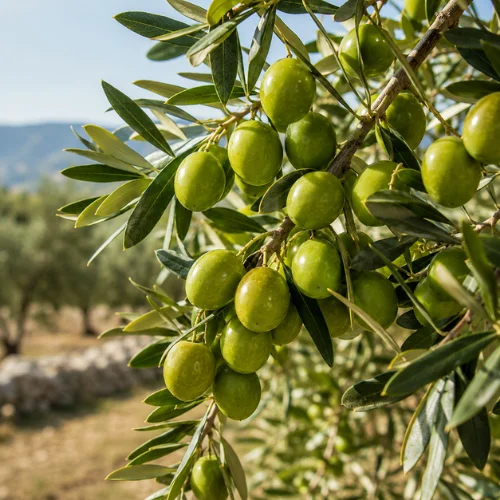
Green olives are the fruits of the olive tree harvested before they reach full ripeness. Their early harvest usually gives them a firmer texture and a sharper flavour than many darker olives.
Although they are called green olives, their exact colour can vary. Some appear bright green, while others may look pale yellow, grey-green, or slightly brown. The variety, harvest stage, curing method, and storage liquid can all affect their final appearance.
Fresh olives picked directly from a tree are naturally very bitter. For this reason, they normally need to be cured before they can be eaten. Curing reduces their bitterness and helps develop the salty, tangy flavour commonly associated with packaged olives.
They are widely used in both simple snacks and cooked meals. They can be served on their own, added to a cheese board, sliced over pizza, mixed into pasta, or blended into tapenade. Their strong taste means that even a small amount can noticeably change a dish.
Different types of olives can also vary in size, texture, and intensity. Some varieties are mild and buttery, while others are crisp, briny, tart, or strongly flavoured.
Latest Olive Guides
Explore the latest articles on Green Olives Blog for practical information about recipes, nutrition, varieties, storage, food pairings, and everyday uses.
Popular guides include:
- Green olive nutrition facts
- Are green olives good for you?
- Green olives versus black olives
- Popular types of green olives
- Green olive tapenade
- Green olives and cream cheese
- How to store green olives
- How long green olives last
- Whether green olives can be frozen
Use the latest-posts section below to discover newly published recipes and helpful guides.
Are Green Olives Fruits or Vegetables?
Green olives are fruits, not vegetables. They grow from the flowers of olive trees and contain a hard pit in the centre.
Many people think olives are vegetables because they are normally served in savoury foods. They appear in salads, pasta, pizza, sandwiches, and appetizers rather than sweet dishes. Botanically, however, olives are classified as stone fruits.
Green and black olives generally come from olive trees, but their colour and flavour may differ because of ripeness and processing. Read our complete green olives vs black olives guide for a detailed comparison.
How Are Green Olives Prepared?
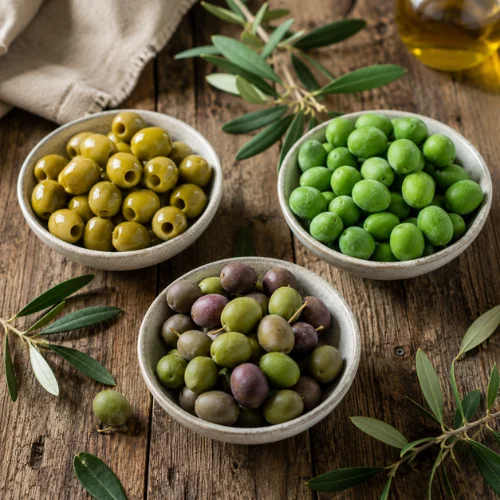
Fresh green olives are too bitter for most people to eat directly from the tree. Producers use curing methods to reduce this bitterness and create a more pleasant flavour and texture.
Common preparation methods include:
- Brine curing with salted water
- Water curing
- Dry salt curing
- Lye curing
- Fermentation
- Marinating with herbs, oil, garlic, or spices
Brine-cured olives are among the most common products found in jars and cans. The olives remain in a mixture of water and salt while their flavour develops. Some products may also contain vinegar, citric acid, herbs, or other seasonings.
The curing process can affect more than taste. It may also change the olive’s texture, sodium content, acidity, and shelf life. This is why two green olive products can taste very different even when they look similar.
Always check the product label to learn how the olives were prepared and whether they contain additional ingredients or allergens.
What Do Green Olives Taste Like?
The typical green olive taste is salty, briny, tangy, and slightly bitter. However, the exact flavour depends on the variety and curing method.
Some green olives have a strong, sharp taste that works well in pizza, pasta, chicken dishes, and savoury sauces. Others are milder and can be eaten directly as a snack.
Castelvetrano olives are often described as mild, buttery, and slightly sweet. Manzanilla olives usually taste firmer, saltier, and more traditionally briny. Picholine olives often have a crisp texture with a fresh, slightly tart flavour.
Stuffed or marinated olives can taste different from plain varieties. Pimento adds a mild pepper flavour, while garlic, cheese, almonds, herbs, or chilli can make the olives richer or more intense.
When trying a new variety, begin with a small portion. If the olives taste too salty, drain them well or briefly rinse them before serving. Avoid rinsing when the brine or marinade is an important part of the recipe.
Explore Olive Nutrition
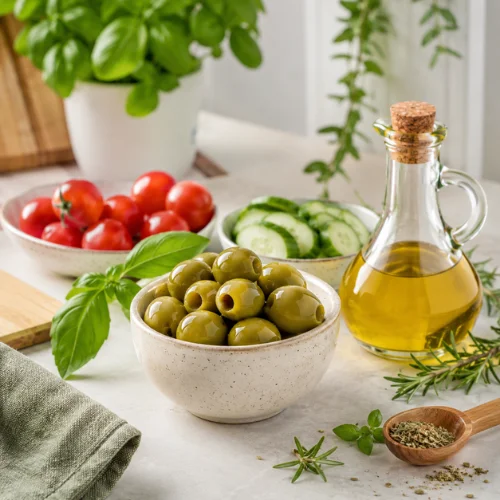
Green olives provide mostly fat, along with small amounts of carbohydrates, fibre, protein, vitamins, and minerals. Their exact nutritional values can vary depending on the olive variety, serving size, curing method, filling, and brand.
Most of the fat in plain olives is unsaturated fat. They are also generally low in sugar and carbohydrates. However, many packaged olives are cured and stored in salty brine, so their sodium content can be significant.
Stuffed and flavoured olives may have a different nutrition profile. Olives filled with cheese, garlic, almonds, or pimento can contain additional calories, fat, sodium, or allergens. Always check the product label when comparing different varieties.
Our complete Green Olive Nutrition Facts guide covers calories, carbohydrates, fat, fibre, sodium, vitamins, minerals, and serving information in more detail.
Are Green Olives Good for You?
Green olives can be part of a balanced diet when eaten in sensible portions. They provide flavour and mostly unsaturated fat without adding much sugar to a meal.
One of the main advantages of green olives is their strong flavour. A small serving can make salads, sandwiches, pasta, pizza, and snack plates more enjoyable. This may help people create satisfying meals without relying on sugary sauces or heavily processed toppings.
However, green olives can contain a considerable amount of sodium because they are commonly cured in brine. People who monitor their salt intake should compare labels, choose lower-sodium products when available, and pay attention to portion size.
Draining and briefly rinsing olives may remove some surface salt. However, rinsing can also reduce the flavour of seasoned or marinated products.
They should not be treated as a medicine or as a food that produces one guaranteed health result. Their value depends on the overall diet, serving size, product ingredients, and individual dietary needs.
Read our complete guide, Are Green Olives Good for You?, to explore their possible advantages, disadvantages, sodium content, and practical serving considerations.
Popular Green Olive Recipes
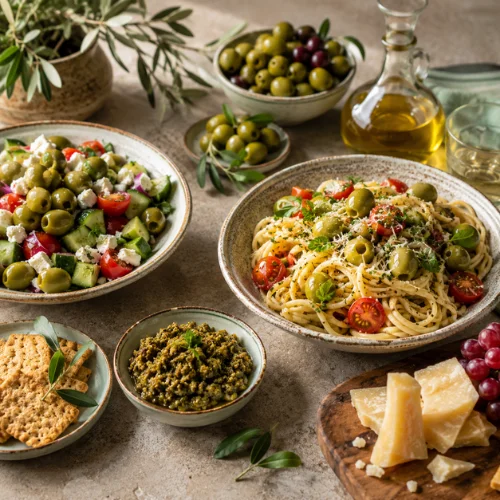
Green olives work well in both quick snacks and complete meals. Their salty, tangy taste pairs naturally with cheese, tomatoes, garlic, herbs, bread, pasta, chicken, and many Mediterranean-style ingredients.
Here are some popular ways to use them.
Green Olive Tapenade
Green olive tapenade is a savoury spread usually made with olives, olive oil, herbs, garlic, and other flavourful ingredients.
It can be served with toasted bread, crackers, sandwiches, grilled vegetables, or cheese boards. The ingredients are normally chopped or blended until they form a coarse spread.
Try our Green Olive Tapenade Recipe for complete ingredients and preparation instructions.
Olive and Cream Cheese Spread
Green olives and cream cheese create a rich, salty, and creamy combination. The olives can be finely chopped and mixed into softened cream cheese with herbs, black pepper, or garlic powder.
Serve the spread with crackers, toast, cucumber slices, sandwiches, or party appetizers. It can also be used as a filling for pinwheels and small savoury snacks.
Visit the Green Olives and Cream Cheese guide for recipe ideas, variations, and serving suggestions.
Olives on Pizza
Green olives are a bold pizza topping that pairs well with mozzarella, tomato sauce, mushrooms, onions, peppers, chicken, and pepperoni.
Drain the olives before adding them to the pizza. Slice them evenly so their salty flavour is spread across the whole surface. Start with a modest amount because too many olives may overpower the cheese and sauce.
These olives can be added before baking so they warm with the other toppings. They may also be added near the end when a fresher and firmer texture is preferred.
Pasta With Green Olives
Sliced green olives can add depth to simple pasta dishes. They work especially well with tomato sauce, garlic, lemon, herbs, chicken, tuna, and grated cheese.
Add drained olives during the final few minutes of cooking. This allows them to warm through without becoming overly soft.
Taste the pasta before adding extra salt because the olives may already provide enough seasoning.
Chicken With Green Olives
Chicken and green olives are used together in many Mediterranean-inspired dishes. The olives add a salty and tangy contrast to tender chicken and savoury sauces.
They pair well with tomatoes, onions, garlic, lemon, parsley, oregano, and other herbs. Whole or sliced olives can be added near the end of cooking to help preserve their texture.
Olive Salad Ideas
Green olives can be added to leafy salads, pasta salads, grain bowls, and chopped vegetable salads.
They pair particularly well with:
- Tomatoes
- Cucumbers
- Red onions
- Feta cheese
- Chickpeas
- Lettuce
- Pasta
- Fresh herbs
- Lemon-based dressings
Drain and slice the olives before adding them. Use a lighter hand with salt in the dressing because the olives and cheese may already be salty.
Olives for Snack Boards
Whole and stuffed green olives are easy additions to snack boards and appetizer platters.
Serve them with cheese, crackers, bread, nuts, grapes, figs, cured meats, dips, and fresh vegetables. Place the olives in a small bowl to prevent their brine or marinade from spreading across the board.
Explore our complete green olive recipe collection for more appetizers, spreads, pasta dishes, pizza ideas, salads, and easy meal inspiration.
Popular Green Olive Varieties
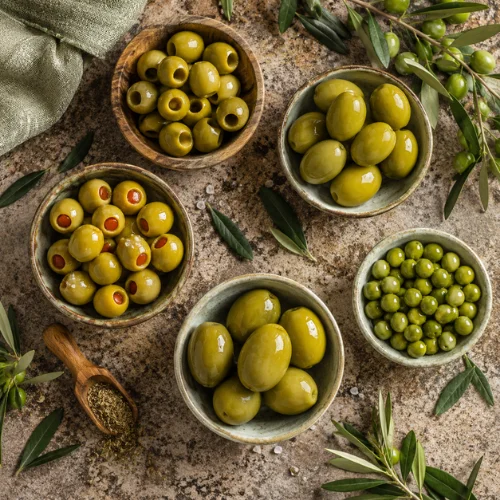
There are many types of green olives, and each variety has its own flavour, size, texture, and best use. Some are mild and buttery, while others are crisp, salty, tangy, or slightly bitter.
The curing method also affects the final taste. Even olives from the same variety may taste different when they are packed in brine, marinated with herbs, or stuffed with another ingredient.
Castelvetrano Green Olives
Castelvetrano olives come from Sicily and are known for their mild, buttery flavour. They usually have a tender texture and are less bitter than many traditional brined olives.
Their gentle taste makes them suitable for people trying olives for the first time. They work well as a simple snack, on cheese boards, or alongside bread and mild cheeses.
Manzanilla Green Olives
Manzanilla olives are a popular Spanish variety. They normally have a firm texture and a salty, slightly tangy flavour.
These olives are commonly sold whole, pitted, or stuffed with pimento. Their balanced flavour makes them useful in salads, appetizers, sandwiches, and cooked meals.
Picholine Green Olives
Picholine olives are traditionally associated with France. They are often crisp, firm, and slightly tart.
Their fresh flavour works well in salads, snack plates, appetizers, and dishes containing herbs, lemon, or cheese. They may also be served on their own before a meal.
Pitted Olives
Pitted green olives are not a separate olive variety. They are olives with the hard centre stone removed.
They are convenient for pasta, salads, pizza, tapenade, sandwiches, and other recipes. Always check carefully when serving them because an occasional pit fragment may remain.
Stuffed Olives
Stuffed olives are filled after the pit has been removed. Common fillings include:
- Pimento
- Garlic
- Cheese
- Almonds
- Jalapeño
- Herbs
The filling can change the flavour, texture, sodium, calories, and allergen information. Check the product label before serving stuffed olives to guests.
Visit our complete Types of Green Olives guide to compare popular varieties, preparation styles, flavours, textures, and best uses.
Easy Ways to Eat Olives
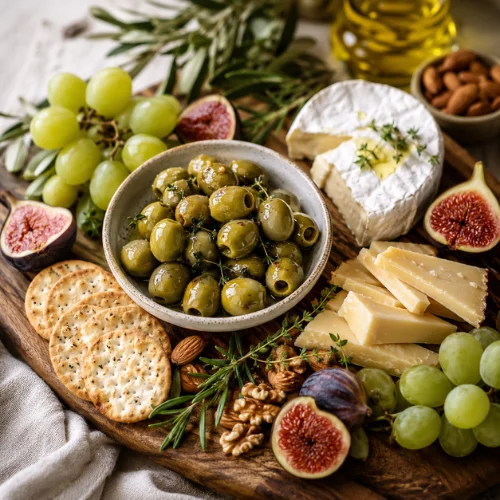
There are many simple ways to eat olives without preparing a complicated recipe. They can be served straight from the jar, added to a meal, or combined with other ingredients for a quick appetizer.
Drain the olives before serving. A brief rinse may help when they taste too salty, although it can also remove some of the marinade flavour.
Serve Them as a Snack
Place whole or pitted olives in a small bowl and serve them with toothpicks. Add herbs, lemon zest, or a small amount of olive oil for extra flavour.
Check for pits before serving olives to children or guests.
Add Them to Salads
Slice green olives into leafy salads, pasta salads, grain bowls, or chopped vegetable salads.
They pair well with tomatoes, cucumbers, onions, chickpeas, feta cheese, lettuce, and fresh herbs. Reduce the salt in the dressing because the olives may already be strongly seasoned.
Use Them as a Pizza Topping
Drain and slice green olives before placing them on pizza. Spread them evenly so one section does not become much saltier than another.
They work well with cheese, mushrooms, onions, peppers, chicken, and tomato sauce.
Mix Them Into Pasta or Rice
Add chopped olives near the end of cooking. They can bring extra flavour to tomato pasta, creamy pasta, rice bowls, couscous, and grain dishes.
Taste the meal before adding more salt.
Make a Spread or Dip
Blend or finely chop green olives with olive oil, herbs, garlic, or other ingredients to make a savoury spread.
Serve it with bread, crackers, sandwiches, or fresh vegetables.
Pair Them With Cheese
Green olives pair naturally with creamy, mild, and salty cheeses. Serve them with feta, mozzarella, cream cheese, cheddar, or goat cheese.
They can be used on snack boards, in sandwiches, or as part of a simple appetizer.
Add Them to Cooked Meals
They can be added to chicken dishes, sauces, stews, baked vegetables, and Mediterranean-inspired meals.
Add them gradually because their strong flavour can quickly become dominant.
For more practical ideas, read our complete guide on how to use these olives in snacks, toppings, side dishes, and everyday meals.
Olive Storage Guides
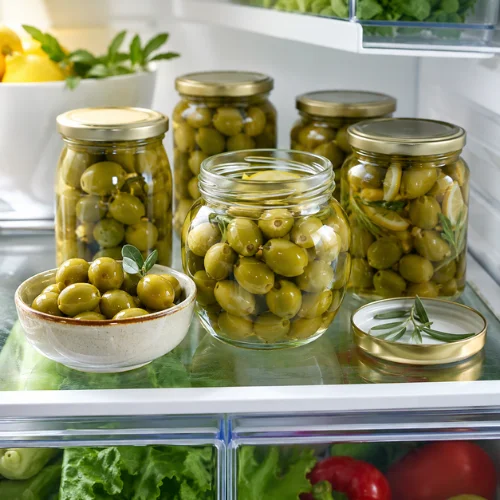
Proper storage helps olives retain their flavour and texture. Storage instructions can vary between jars, cans, deli olives, and homemade products, so always follow the directions printed on the package.
How to Store Green Olives
Unopened jars and cans should normally be kept in a cool, dry place away from direct sunlight, unless the label says otherwise.
After opening, most packaged olives need refrigeration. Keep the container tightly covered and use clean utensils whenever removing olives.
When olives are sold in brine, keep them covered by their liquid unless the manufacturer provides different instructions.
Read our full guide on How to Store Green Olives before and after opening.
How Long Do Green Olives Last?
The shelf life of green olives depends on:
- The packaging
- The curing method
- Whether the container is open
- The storage temperature
- The manufacturer’s instructions
- Whether the olives remain covered in brine
The date and storage directions on the label should take priority over general online advice.
Visit How Long Do Green Olives Last? for a more detailed pantry and refrigerator guide.
Can Green Olives Be Frozen?
The olives can sometimes be frozen, but their texture may become softer after thawing. This may be less noticeable when the olives are later used in sauces, pasta, pizza, or cooked dishes.
Freeze them in a suitable airtight container and label the container with the date. Thaw them in the refrigerator rather than leaving them at room temperature.
Read our guide, Can You Freeze Green Olives?, for preparation, freezing, thawing, and usage tips.
Signs Olives May Be Spoiled
Discard olives when you notice clear warning signs such as:
- Unexpected mould
- An unusual or unpleasant smell
- Excessive slime
- A leaking or badly damaged container
- A bulging lid or can
- A major unexpected change in appearance
Do not taste questionable olives to determine whether they are safe. When uncertain, it is safer to discard the product.
How to Choose the Right Olives
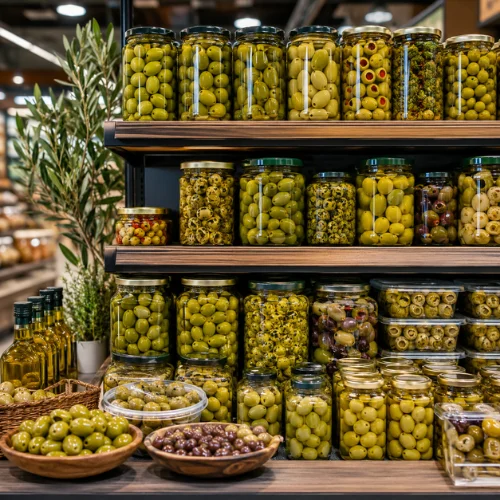
The best olives depend on how you plan to serve them. Some varieties are mild enough for snacking, while others have a stronger flavour that works better in pizza, pasta, salads, and cooked meals.
Before buying a jar or can, check the product label for the olive variety, preparation style, sodium content, filling, allergens, and storage instructions.
Choose Whole or Pitted Olives
Whole olives may retain a firmer texture, but the pits must be removed while eating. They work well on appetizer plates and traditional Mediterranean-style tables.
Pitted olives are more convenient for cooking, slicing, blending, and serving to guests. They can be used quickly in salads, pizza, pasta, sandwiches, and tapenade.
Even packaged pitted olives may occasionally contain a pit or small fragment, so check them before blending or serving.
Compare Plain and Stuffed Olives
Plain olives provide a simple way to compare the natural flavour of different varieties.
Stuffed olives contain ingredients such as pimento, garlic, cheese, almonds, jalapeño, or herbs. These fillings can make them more suitable for appetizers and snack boards.
Check the ingredient list when choosing stuffed olives because the filling may add allergens, sodium, fat, or additional flavourings.
Check the Sodium Content
Many of these olives are cured and stored in salty brine. Sodium levels can vary considerably between products.
Compare the nutrition labels of different brands and check the listed serving size. Lower-sodium varieties may be available for people who are monitoring their salt intake.
Draining and briefly rinsing olives may reduce some surface salt, although it can also make seasoned olives taste less flavourful.
Look at the Packaging
Choose jars, cans, or containers that appear properly sealed and undamaged. Avoid products with leaking containers, badly dented cans, bulging lids, or broken seals.
Check the best-before date and read the storage instructions before purchasing. After opening, follow the manufacturer’s refrigeration and usage guidance.
Select Olives for Their Intended Use
Choose mild varieties such as Castelvetrano olives for snacking or serving with gentle cheeses.
Use firmer, saltier olives such as Manzanilla or Picholine in salads, pasta, pizza, and savoury appetizers.
Pitted olives are convenient for recipes, while stuffed olives can be served directly on party trays and snack boards.
Trying several varieties is often the easiest way to discover which flavour and texture you prefer.
Explore More Olive Guides
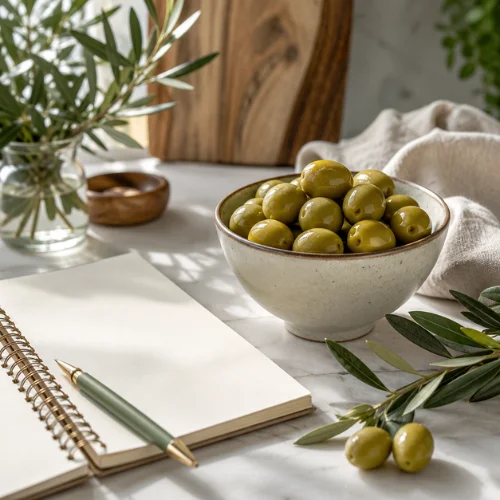
Olives are versatile fruits with a wide range of flavours, textures, varieties, and uses. They can be served as a simple snack, added to salads and pizza, blended into spreads, or cooked with pasta, chicken, rice, and vegetables.
Their taste depends on the variety, ripeness, curing method, filling, and marinade. Some olives are mild and buttery, while others are crisp, tangy, salty, or slightly bitter.
Use Green Olives Blog to explore detailed nutrition guides, health information, recipes, variety comparisons, storage instructions, and practical ways to eat olives.
Start with the topic that interests you, then follow the related guides to learn more.
Frequently Asked Questions About Green Olives
Conclusion
Green olives are a versatile fruit that can be enjoyed in snacks, salads, pizza, pasta, spreads, and cooked meals. Their flavour and texture vary depending on the variety, harvest stage, curing method, filling, and marinade.
When buying olives, compare the ingredients, sodium content, packaging, and storage instructions. After opening, follow the directions on the label and keep brined olives covered in their liquid when recommended.
Use the guides on Green Olives Blog to explore nutrition, recipes, popular varieties, food pairings, storage, and shelf life in more detail. Start with the topic that matches your needs and follow the related articles for practical information.